Going Away For Awhile? Apartment Travel Proofing Tips

1) Make sure all of your windows and doors are locked securely
2) Take trash to the dumpster or appropriate trash pick-up spot before leaving
3) Take care of pet accommodation arrangements
4) Set thermostat to a good temperature so that it isn’t running constantly and running up your bill while you are gone
5) Let your neighbors know you will be gone so that they can keep their eye out for you
6) Turn off your computer, TV, fans, and any other electricity consuming item
7) Do NOT leave the iron plugged in, stove on, or coffee maker brewing
8) Let management know if anyone will be coming by your apartment to water your plants or feed/walk your pets
9) Consider forwarding your mail if you will be gone longer than a few weeks
10) Clean up around your place so you come home to a nice clean apartment
Please keep in mind that although you may be out of town rent will be due by the regular due date, so if you need to make arrangements with your apartment manager to mail it in please do so. You should also keep all of this in mind anytime you are going to be away from your apartment for an extended period of time.

How to Pack Awkward Small Appliances when You Don’t Have the Original Box

Image result for Small Appliances 

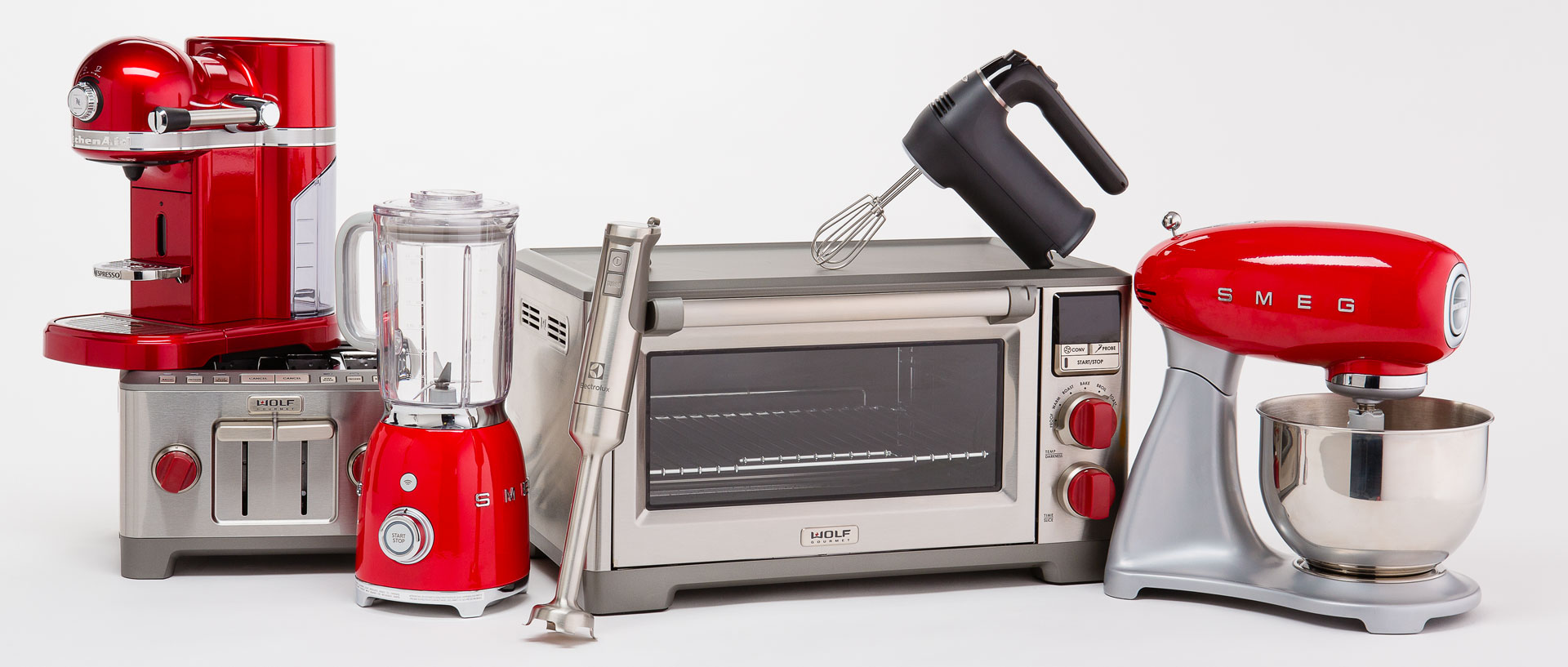
Your kitchen is full of items that need careful packing. Stand mixers, coffee makers, food processors, microwaves and other items can be challenging to pack if you don’t have the original box, and they can be awkward to deal with. And, if not packed carefully, they can suffer damage during the move. Here are some good rules of thumb for handling these items.
First, measure your item. You want about two inches of room for packing material around the item, sides, top and bottom. If the box is too small, items may be damaged, if the box is too big, you will have a harder time packing it well. You also want a sturdy enough box to stand up to heavy items, especially a stand mixer, which can weigh more than 30 pounds. Be sure that the box bottoms are securely sealed, taping along the bottom seam and a couple of times from the sides across the taped seam.
Second, consider your packing materials. You want the items to be tightly surrounded, with no shifting, especially if you have glass components. Packing peanuts can shift, so bubble wrap (with the large bubbles), foam sheets and tightly wadded newspaper are better options. Line the sides and bottom of the box with the material of your choice. Wrap the appliance base and each component piece – coffee pot, mixer bowls, etc.—separately.
Put the wrapped component piece back in the appliance. You want to ensure nothing rattles around, so if necessary, use tape to hold everything in place. Put the appliance in the box. The reason for wrapping items and lining the box’s sides is to prevent handles and fragile elements from being directly against the side of the box, as that’s one for items to be damaged, so double check that nothing is directly touching the sides of the box. Then push packing material into empty spaces until the appliance is held firmly in place when you shake the box.
You want to be sure that the box is completely full, no gaps between the top of the appliance and the lid. Boxes that aren’t packed full are another cause of damaged items, so press down the top before sealing. Don’t over stuff, it though: You want the lid to be flat, not humped in the center.
It is possible to pack several small, lighter appliances (blenders, food processers, etc.) into the same box if everything is well wrapped, but heavy items like microwaves and stand mixers should be the only item in the box.
With these tips, you should be able to pack and protect your countertop appliances during the move, regardless of the boxes available. If you are worried about your packing abilities, your Allied agent has trained crews who can quickly pack your house.

10 Tips on How to Hold a Successful Moving Sale

How to Begin

Ask your family members about items they wish to sell, they may desire to sell more things than you imagined. Or, you might organize a “neighborhood” sale and pool the efforts of other families on your street.

When to Have Your Sale

Set a date and a time as soon as you can. Fridays and Saturdays are usually best; however, try to avoid holiday weekends. Establish a rain date if you think it may be necessary. Determine the hours, such as 8:00 a.m. to 4:00 p.m. Many shoppers like to be first in line, so be prepared for early arrivals.

Where to Hold Your Sale

Check with local authorities about restrictions for sales in your area. Once you have a location, decide if the sale will be in the garage, yard or basement. Make sure there is ample parking and space for people to move about.

Publicize Your Sale

A good source of publicity is Craigslist. Not only is it free, but also the most popular classifieds website to find local deals.
Mention the most popular items in your ad, such as furniture, appliances, tools, electronics, etc. Consider including your phone number so people can call for more information about sale items or for directions (this is especially useful if you live in an obscure area).
Another publicity technique is to display flyers around the neighborhood. Note in large letters the type of sale, date, time and location. You may also place signs in high-traffic areas on the day of the sale with arrows and directions. (Please note that there may be restrictions on the posting of flyers and signs. Your local Chamber of Commerce can assist you should you have any questions.)

Ten Essential Preparations

1. Look at your list of items for sale. Visit secondhand shops, retail stores, etc. to determine prices for each.
2. Record the price on a tag or sticker and place on the item in an easy-to-see location. Use different colored stickers or an identification code on the tags if more than one family is involved in your sale.
3. Start saving shopping bags and cartons to make it more convenient for customers. Have tissue paper or newspaper on hand to wrap glass, knickknacks and other fragile purchases.
4. Bundle or package all sets, groups, or units together so customers know what they are getting. Put loose game pieces in a sealable bag and secure inside the box.
5. Set up the yard, garage or basement so that all “For Sale” items will be separated from items not for sale.
6. Display items in groups according to type, such as kitchen utensils, sporting goods, tools, etc. If possible, hang clothing on a clothesline or rack for easy viewing.
7. Set up a cashier’s desk with a calculator, scissors, tape, string, markers, a cash box and plenty of change. Make sure that your assigned cashier is able to spot the basic differences between legal and counterfeit currency by learning the differences here.
8.  Be prepared for the weather to change at any time. Have several large sheets of plastic handy to quickly cover everything.
9.  To keep the kids busy, buy a few varieties of soft drinks and bottled water. Ice them down in a cooler the night before. Tell the kids that the money they earn selling drinks is their reward for helping. On a hot summer day, a cold drink will be a welcome relief to shoppers.
10. Assign everyone a responsibility for the day, like cashier, clerk, organizer, etc.

Now You Are Ready For A Successful Moving Sale!

1796 Mifflin St, Columbus, OH, 43219-1723


This home has 3 bedrooms on the first floor and a huge 2nd floor that could be a 4th bedroom or large family room. Spacious eat in kitchen with walk in pantry, opens to the family room. Everything you really need is on the first floor with the laundry in the 3rd bedroom closet. Wood laminate flooring throughout. Well water but city sewer. Very large yard with off street parking. Nice covered front porch. Really feels like you are in the country but easy access to Easton, 270 and 670. Columbus schools, no smoking, no pets please.


11 Questions to Ask Your New Roommate (Before You Move In)

What temperature do you like to set the thermostat on?
The Apartment Therapy staff once joked about creating a dating app that would match people based on the temperature they like to set the thermostat on. But I can say, speaking from experience, that this is not a joke at all. Of course, if you're living in an NYC apartment with radiators you can't control and window units in every room, it's kind of a moot point, but if you are living like an actual human being, the temperature at which you wish to set the thermostat is perhaps the most important consideration for roommate harmony. A few degrees can be negotiated, but if your roommate is happy at 64 and you prefer a balmier 78 — well, you better be prepared for some serious compromise.


How are rent and bills going to be handled?
I've often heard it said that the biggest sources of stress in marriage are sex and money. Unless you have a very unconventional relationship, you are probably not having sex with your roommate, but there's still the money thing to think about. It's a good idea to establish, before you move in, how the bills will be paid each month, who's responsible for paying them, and who will be paying who back for what. It's also a good idea to establish an expected timeline for payments. If you pay the full rent every first of the month, do you expect your roommate to get you back that day? Or is five days later ok?
Do you like to entertain?
For you, inviting a a few friends over at the last minute may seem totally ok, but for your roommate it may be a completely different story. This is a good thing to talk about ahead of time. Does your roommate need warning when people are coming over? And what's the expected timeline? 30 minutes? Three days? If you love to be spontaneous and your potential roommate requires planning ahead, this may not be the best match.
What will our policy be about significant others?
As a relationship begins to develop, it's natural that your significant other may begin spending a lot of time at your place. But it's also important to speak to your roommate about these situations before they happen. Is it ok for a significant other to stay at your apartment overnight? For three days? Indefinitely?
How will we split up chores?
This one's pretty straightforward, but definitely worth discussing. Will you take turns cleaning the bathroom, the kitchen, the floors? Or each adopt a different zone? Be specific. Make a chart if necessary.


Let's talk about your threshold of cleanliness.
Here's a thing I've learned from experience: everybody has a different 'threshold of cleanliness,' or the point at which a mess becomes so disgusting to you that you can't help but clean it up. Some people (I am guilty here) are totally fine with cleaning the bathroom once a month, while for others anything less than a week is abhorrent. Some people are appalled by dishes sitting in the sink overnight; others are not. If you're living with someone with a much lower threshold than yours, you may discover that they wind up cleaning up after you a lot more often than you would like, because what seems like not a big deal to you is in fact a very big deal to them. It's important to discuss not merely who does what chores, but how often you do them.
How do you prefer to handle conflict?
Talking to your roommate about this might be awkward, but it might also help you learn a lot about other types of relationships, too. If you can, try to get your roommate (before tension mounts over the overflowing garbage can) to talk to you about the way they prefer to handle conflict. Are they the sort of person who likes to be direct? Or do they expect that certain things to be taken care of without their having to ask about them? If they wind up having to do one of your chores one day, will they mention this to you so you can make amends? Or merely resent you forever? If one of you is very conflict avoidant and the other is not, you might consider finding someone else to cohabitate with.


How will we handle decorating?
When you move in together, who will be responsible for contributing which items to the common areas? And what about purchases after the fact? If your roommate brings home, say, a new poster or rug, do you expect to be consulted? (Also, here, a word to the wise: don't buy furniture together with your roommate. This is a terrible idea.)
What does your daily schedule look like?
This is an especially important question if you're sharing a bathroom (or, I suppose, if you're a particularly light sleeper and your roommate regularly coming in late at night is going to wake you up). At the risk of sounding like a curmudgeon, I will say here that often the best roommate is someone whose schedule is as dissimilar from yours as possible, so you both have a little privacy and don't wind up stepping on each others' toes.
What's your noise threshold?
Some people find the sound of a television comforting, even if they're not watching. Others find it maddening. Some people like to listen to music all the time, while others prefer the sound of silence. Which kind of person is your potential roommate? Your auditory could be just as important as your temperature match.


What are your feelings about pets?
If one of you already has a pet, would the other roommate be comfortable taking care of said pet when the owner is out of town? And if you don't have a pet, but are thinking about getting one, now would be a great time to mention it.

32 W Russell St, Columbus, OH, 43215-1684

Fabulous Victorian Gate 1 BR in the Short North!!
You can live right in the heart of the Short North in this one bedroom, 1 bath open floor plan condo. End unit with lot of windows provides plenty of natural light is located in Victorian Gate between Goodale Park and High St, you can walk to everything or take the Cbus. One parking pass included and on street parking and the parking garage across the street are options for guest parking. Brand new stainless appliances and washer and dryer are all included. This complex is very park like with all the lush landscaping. 24 Hour fitness on site for your use. See it today!

7 Helpful Tips for Moving Everything You Own Without Losing Your Mind

1. Make a huge, written down master plan

Like, seriously write it down. This will be your moving-out bible, and it will have lists of everything you need to do, need to move, need to clean and when it all needs to be done. Basic questions you're going to want to have answers to as soon as possible are: When do I have to be out officially? What can I live without (and get rid of before I move)? What other errands have to be slayed before the move is over with (getting boxes, canceling utilities, setting Internet up in the new place, renting a storage unit etc.)? Repairs that need to be made (or apartments that need to be cleaned) before I hand in/over the keys? Make a list of what order the things in your home need to be packed (start with stuff you can totally live without and make sure you have a list of stuff you need to set aside because you need it everyday). Sit down on a quiet day and go over everything, and add to when you need. Don't skip this part. Don't think that you've moved a lot and can wing it. It might seem like a lot of overkill, but this list could save your mind!

2. Give away, sell or throw away as many things as you're comfortable doing

You knew it was coming. The silver lining of a move is stumbling on things that have been tucked in the back of a closet for ages (that you forgot you have and probably don't need) and then getting the opportunity to never move it again. So look through your furniture, clothes, kitchen supplies. Give stuff away to friends or sell the good stuff. Don't part with things you love and want to use in the new place, but consider saying goodbye to the items that only elicit a "meh" response from you so you make room for more fun in the next place.

3. Tackle as many errands as possible in a one-day errand-slaying fest

Get a good night's sleep the night before, watch a lot of kitten Youtube videos to put yourself in a great mood and then tackle as many of your errands as possible on the "things that have to happen before I move list." That might be setting up cancellation dates for your current utilities and appointments to set up things like Internet in the new place. It could be grabbing enough moving boxes and bubble wrap. Renting the storage unit. It could be setting up mail forwarding. Returning library books. These are all the little errands that always crop up when you move that don't involve packing. Refer to your master list to the list of errands you've got to tackle. Why all in one day? Just to get this stuff over with and make sure you don't forget any of it.

4. Know where your stuff is going

Get access to your next space as soon as possible, if possible, whether that's the new apartment you're moving into or the storage unit your storing your stuff in for while. But that also means knowing where your stuff is going...in the actual new place. One of the secrets to making the other side (the moving in part) of a move less stressful is knowing where the stuff is going once it leaves your current front door. So whether that's space planning the storage unit you'll be using by the inch for the tightest, most efficient fit or space planning your new home, having a plan — even sketched out, if you're artistically inclined — will make the transition from box to cabinet a lot easier and help the folks who are helping you know where to put things without constantly asking all moving day long: "where does this go?"

5. Use the right moving supplies

No, dumping your clothes in your car's trunk isn't really the best idea, nor is stuffing a bunch of glasses in a box and hoping that one sheet of newspaper will keep them safe. Avoid as many breakages upon arrival at your new location as possible by splurging on bubble wrap, sturdy boxes and more. Take to social media to find moving supplies from someone else's recent move. Use a lot of plastic boxes if you'll be storing stuff for awhile to protect from moisture and pests. Consider renting sturdy plastic boxes that you give back when you're done moving to avoid your over-packed boxes breaking on the flight up the stairs.

6. Ask for help (but be a good help-asker)

Asking for help when moving is a perfectly acceptable way to make moving way less horrible. But make it easier on both yourself and those volunteering their time and biceps by having a good plan in place (see tip #1). If a friend has volunteered a truck and their time, don't waste either of yours by not being packed and ready to go upon their arrival.

7. Leave one space intact — or seek out a recharging spot

This might be a strange tip — and one that some might disagree with, but it's kept me sane many moves in the past. And that's leaving one spot in your home as intact as possible up until the very last minute. This spot of peace and familiarity (for me it's usually my bed + nightstand combo) helps center you and gives you a place to recharge during all this stress. If that's not possible, try visiting a favorite coffee shop, bookstore or park that can be your place to retreat to when you need a break from the moving boxes.